Workforce attraction conversations often focus on attraction and recruitment. Who can we bring here, how quickly, and what incentives can we offer to compete?
In communities like the greater Iowa City area, however, the more important question is what happens after someone arrives. Recruitment does not build a stable workforce like retention does, and retention depends on whether people feel connected to the place they live, not just employed by an institution.
This distinction is especially important as the region competes for talent with larger markets and institutions that can often offer higher salaries or broader name recognition (with mountains or oceans). While compensation will always matter, experience shows that it is rarely the only factor driving long-term decisions. Increasingly, professionals are choosing communities that offer a sense of belonging, professional purpose, and quality of life that extends beyond the workplace. A recent and highly visible example helps illustrate this point.
A High-Profile Recruitment with Broader Lessons
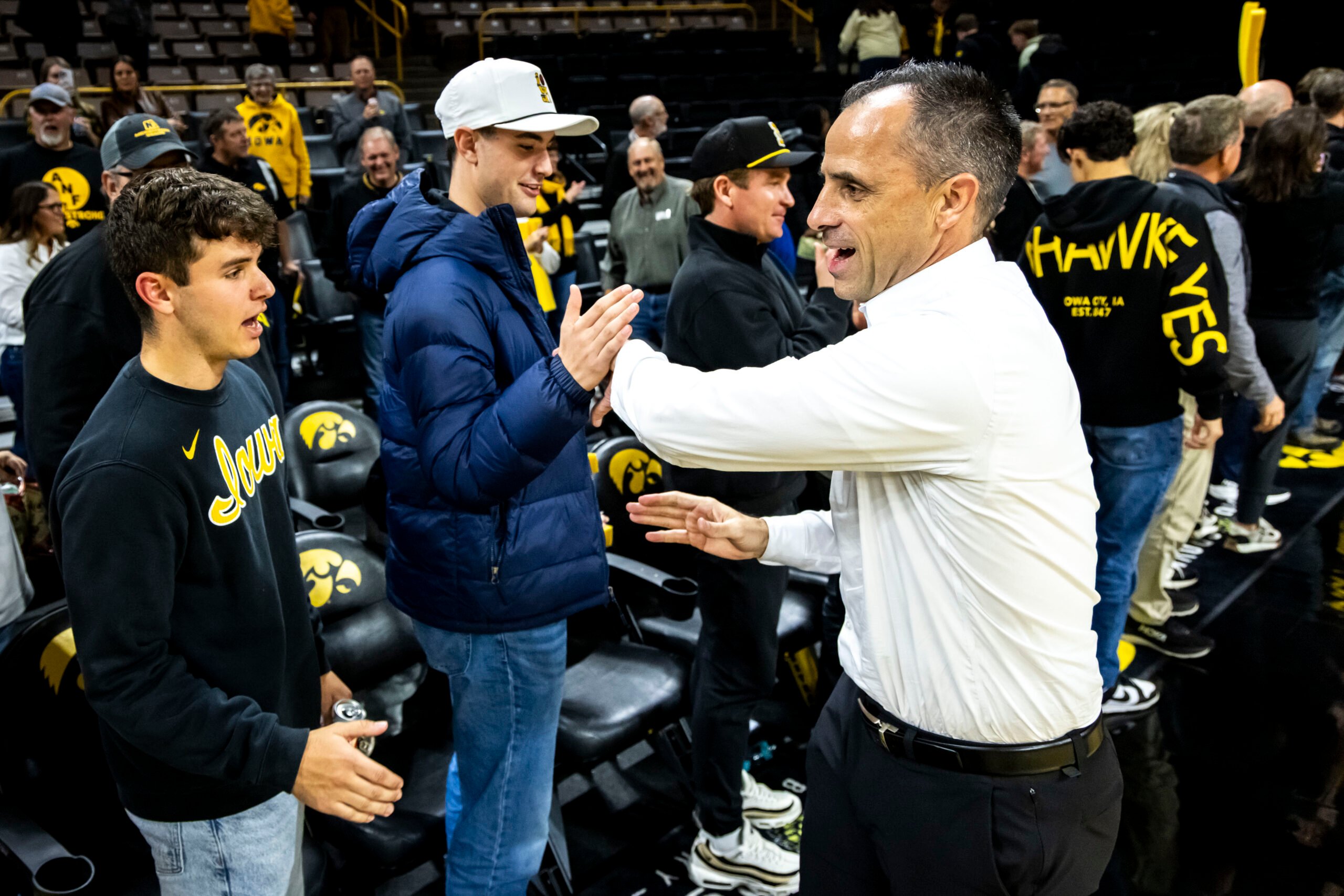
In his first season as head coach of the University of Iowa men’s basketball team, Ben McCollum led the Hawkeyes to their first Elite Eight appearance since 1987. National coverage framed Iowa’s tournament run as one of the most compelling stories of the NCAA season, highlighting both McCollum’s leadership and the program’s rapid cultural turnaround.
Following that success, McCollum quickly became part of national conversations about high-profile coaching vacancies. Reporting confirmed that he was contacted about an interview at the University of North Carolina, one of the most recognizable brands in college athletics. McCollum declined that opportunity and made clear that he intended to remain in Iowa City.
For Iowa City, that decision carries significance beyond athletics. UNC represents exactly the type of institution Iowa is often told it cannot compete with a large national brand, extensive resources, and proximity to major markets. McCollum’s choice demonstrates that Iowa City can compete when the full value proposition is understood and communicated clearly.
The Power of Boomerang Talent
McCollum’s story is also a reminder of the importance of boomerang talent. Born in Iowa City and raised in Iowa, he built his career elsewhere before returning when the opportunity aligned with both professional goals and personal values. His decision was informed, deliberate, and rooted in a clear understanding of what Iowa City offers.
Boomerang professionals matter because they return with perspective. They have seen other markets, evaluated alternatives, and still choose Johnson County. Their decisions signal confidence in the community and reinforce the idea that success and fulfillment are not limited to coastal or metropolitan centers.
This pattern is not unique to athletics. It appears consistently across healthcare, higher education, advanced manufacturing, and professional services. People who return often cite relationships, community scale, leadership opportunities, and the ability to have a meaningful impact as decisive factors.
Implications for Healthcare, Higher Education, and Industry
The lessons from McCollum’s decision apply directly to workforce recruitment at UIHC, to faculty hiring across disciplines, and to employers like CIVCO, Procter & Gamble, Integrated DNA Technologies, and other regional advanced manufacturers and research-driven organizations.
In each of these sectors, employers compete nationally and globally for highly skilled professionals. While compensation and benefits are necessary components of recruitment, they are rarely sufficient on their own to ensure retention. Professionals are evaluating where they can build a life, not just advance a résumé.
Successful workforce strategies therefore extend beyond the workplace. They include intentional community integration, support for partners and families, access to schools and childcare, and opportunities to engage civically and socially. Research backs this. When these elements are present, individuals are more likely to commit long-term, even when presented with offers from larger or more prominent institutions.
Competing on Strengths
Greater Iowa City does not need to compete by replicating larger markets. Its strength lies in offering something different and, for many professionals’, something better. This community consistently provides access, connection, and authenticity in ways that are difficult to manufacture elsewhere.
This moment invites us to be more intentional about how to translate Iowa City’s strengths into a durable workforce strategy. We should focus on:
- Embedding new recruits into the community from before they accept the offer – not just onboarding them at work.
- Supporting spousal and partner employment pathways.
- Making it easy to connect to neighborhoods, schools, arts, and civic life.
- Treating boomerang talent as a priority pipeline, not just a coincidence.
- Telling our story confidently. We compete and rank nationally, just not in the ways people expect.
Ben McCollum’s decision to stay is not an isolated case. It reflects a broader truth about why people choose Iowa City and why many decide to remain here long after they arrive.
When people feel connected to the community, supported in their work, and able to see a future for themselves and their families, Johnson County competes very well. Our task is to recognize that advantage, invest in it, and ensure that workforce attraction and retention efforts across the region reflect what makes this place distinct.