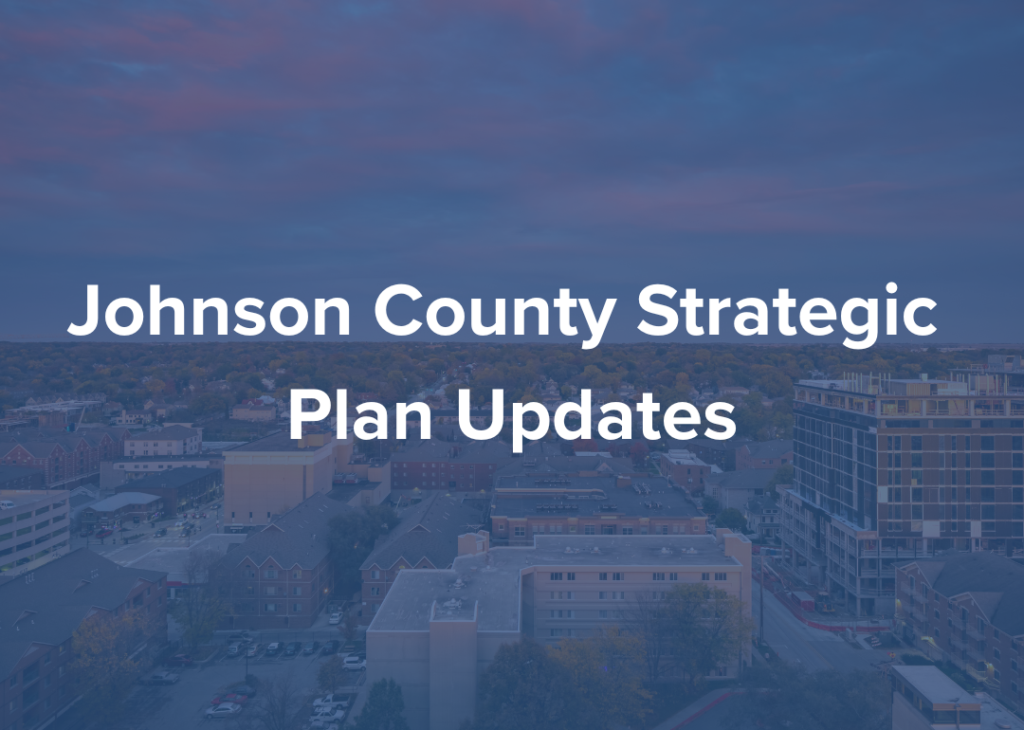
When Johnson County asked residents what should shape the future of county government, one message stood out alongside familiar priorities like housing, childcare, infrastructure and economic development: many participants also wanted to see conversations about how county government itself is organized and governed.
Although the Johnson County Board of Supervisors ultimately chose not to include governance modernization in its strategic plan, the public engagement process demonstrated meaningful community interest in greater transparency, accountability, organizational effectiveness and the possibility of alternative forms of county government. That conversation does not end simply because it was removed from the final plan.
At Greater Iowa City, Inc., we believe informed communities make better decisions. As conversations about county governance continue, we are committed to helping residents, businesses and community leaders access factual information, understand the options available under Iowa law and engage in thoughtful and civil civic dialogue about what best serves Johnson County’s future.
A Broad Community Engagement Process
Over the past year, Johnson County developed a new strategic plan to guide county policies, investments and priorities through 2030. Following a competitive selection process, the County retained BerryDunn to lead the effort through an extensive public engagement process.
According to County documents, BerryDunn conducted 39 individual interviews, four community forums, three focus groups and numerous planning sessions with County leadership, employees, elected officials and community stakeholders. Residents were invited to share what was working, what needed improvement and what priorities should shape the County over the next five years.
The goal was straightforward: build a strategic plan informed by the people the County serves.
Five Strategic Priorities Emerged
The draft strategic plan organized community feedback into five priority areas:
- Thriving Community – Access to services, health, safety, transportation and basic needs.
- Healthy Economy – Workforce, childcare, business growth and regional economic development.
- Community Infrastructure – Housing, roads, facilities and long-term public investment.
- Governance and Leadership – Transparency, collaboration, ethics, customer service and organizational effectiveness.
- Natural Environment – Conservation, water quality and environmental stewardship.
Together, these priorities reflected many of the issues businesses and residents consistently identify as critical to Johnson County’s future.
Governance Became Part of the Conversation
Beyond policy priorities, residents also offered feedback about how county government operates.
Within the draft Governance and Leadership section were thoughtful recommendations related to transparency, ethics, fiscal responsibility, regional collaboration, customer service, employee development and strengthening public confidence in county government.
One draft objective proposed that the County should:
“Cooperate with community efforts to plan for an alternative form of government, including a board-county manager governance structure.”
Whether residents supported or opposed that idea is not the central point. Its inclusion in the draft demonstrated that questions about governance surfaced frequently enough during public engagement to become part of BerryDunn’s recommended strategic framework.
A Different Decision by the Board
During a June 24 work session, BerryDunn presented the draft strategic plan to the Johnson County Board of Supervisors.
According to the meeting minutes, three supervisors requested removal of the objective referencing alternative forms of county government and a board-county manager structure before the plan moved forward. The Board directed staff to revise the draft accordingly.
That decision reflects the Board’s authority to determine what belongs within its strategic plan. It also illustrates an important reality of strategic planning: not every issue raised during public engagement ultimately becomes an adopted policy objective.
What the Engagement Process Still Tells Us
The removal of the governance objective does not erase what residents shared during the engagement process.
The strategic planning effort established that a segment of the public expressed interest in improving governance through greater transparency, accountability, organizational effectiveness and consideration of different management models. Those perspectives remain part of the public record, even if they are no longer reflected in the final strategic plan.
For many observers, that may be one of the most meaningful outcomes of the entire process. Public engagement is valuable not only because it shapes government documents, but because it identifies issues the community believes deserve discussion.
Continuing the Conversation
As Johnson County moves forward with implementing its strategic plan, work will continue on housing, workforce development, infrastructure, environmental stewardship and public services.
At the same time, Greater Iowa City, Inc. believes the engagement process revealed legitimate public interest in understanding county governance and how different governance structures function. Whether any future changes are ever considered will ultimately be up to the public and elected officials. Our role is to help ensure that future conversations are informed by facts, grounded in transparency and accessible to the entire community.
The strategic planning process revealed something valuable: Johnson County businesses and residents want to understand how their local government works and how it can continue to evolve. We look forward to helping facilitate that ongoing public education and community dialogue.