Over the past decade, the City of Iowa City has taken a deliberate and collaborative approach to updating development standards to support housing choice, neighborhood character, and long-term economic vitality and affordability. Through sustained planning, public engagement, and the adoption of form-based zoning standards, the city has worked hard to align plans, policy, and code. Tools are now in place to translate those standards into real projects, making expectations clearer and helping developers and property owners move forward with greater confidence.
Form-based zones were designed to implement adopted district plans and community goals, not replace them. By emphasizing building form and site design over narrow use categories, this approach creates a more predictable framework for development. The standards codify a vision shaped through years of planning and public engagement, and projects that meet them benefit from a clearer, more predictable regulatory process that reduces uncertainty and disruption.
This shift creates a more direct path from concept to approval and opens the door to a broader range of housing types, including duplexes, townhomes, and small multi-unit buildings, without requiring repeated rezonings or exceptions.
What This Means for Developers Right Now:
- Clearer expectations up front
Form-based zones focus on building form and site design rather than narrowly prescribing use. When projects meet the adopted standards, expectations are clearer earlier in the process, reducing upfront design investment.
- Less uncertainty during review
Objective form standards reduce guesswork for applicants, architects, engineers, neighborhoods, and reviewers. This can help streamline design decisions and avoid repeated revisions tied to interpretation.
- More housing types are feasible
The framework is designed to support a wider range of housing products, including duplexes, townhomes, and small multi‑unit buildings, without requiring rezoning for each project.
- Plans, zoning, and outcomes are aligned
Form‑based zones were created to implement adopted district plans, not override them. That alignment reduces the risk of starting over after plans are already approved.
Momentum Is Already Building
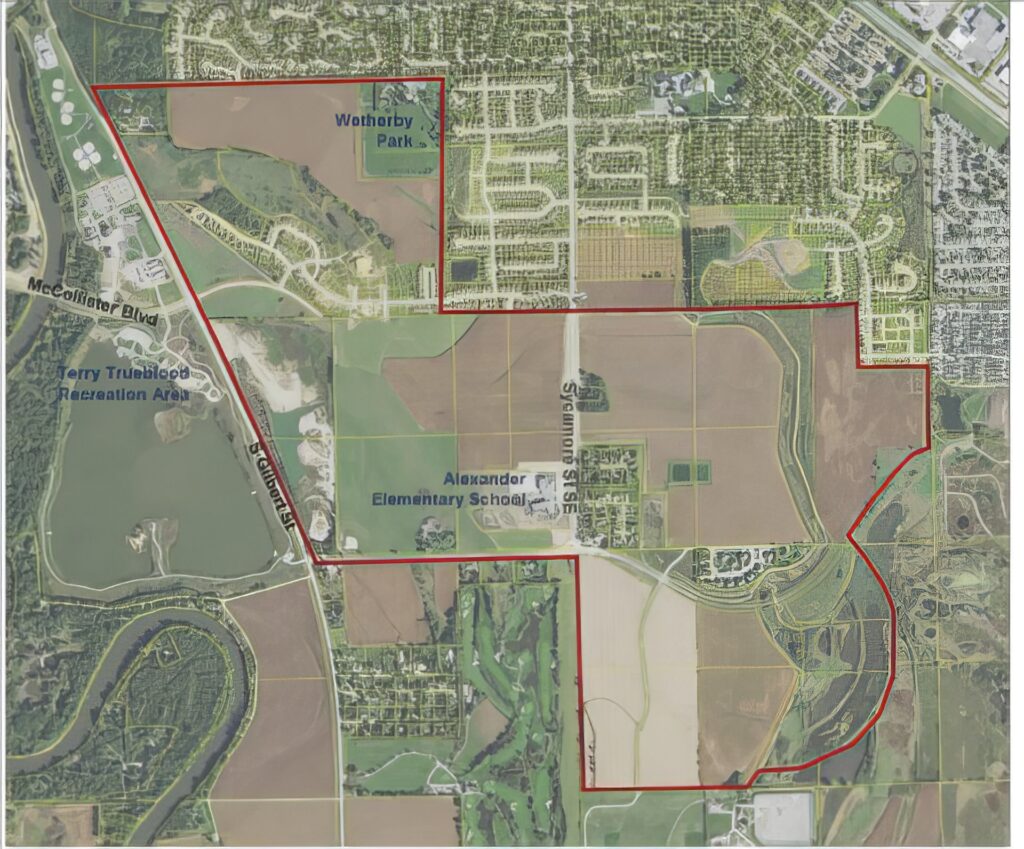
This framework is already moving from theory to practice. Greater Iowa City, Inc. recently celebrated Navigate Homes South Village development in public comments to Planning and Zoning and City Council for engaging with the form-based framework in advancing the South Village development, which includes single-family homes, duplexes, and townhomes. The project reflects what form-based zoning was designed to support: housing diversity that aligns with adopted plans, neighborhood context, and community expectations.
Navigate worked closely with Iowa City to help test the Form-Based Users Guide, which will help others adopt and apply these standards more quickly and easily. Early projects like this help build confidence across the development community and establish a shared understanding of how the standards work in practice.
From One Project to a Pattern
The true value of form-based zoning emerges through use. As more projects move forward, expectations become clearer for applicants, staff, and neighbors alike. Lessons are learned to inform future projects. Comfort levels increase. Predictability improves. This is how a planning investment begins to pay dividends. The opportunity now lies in use and practice.