



Iowa City
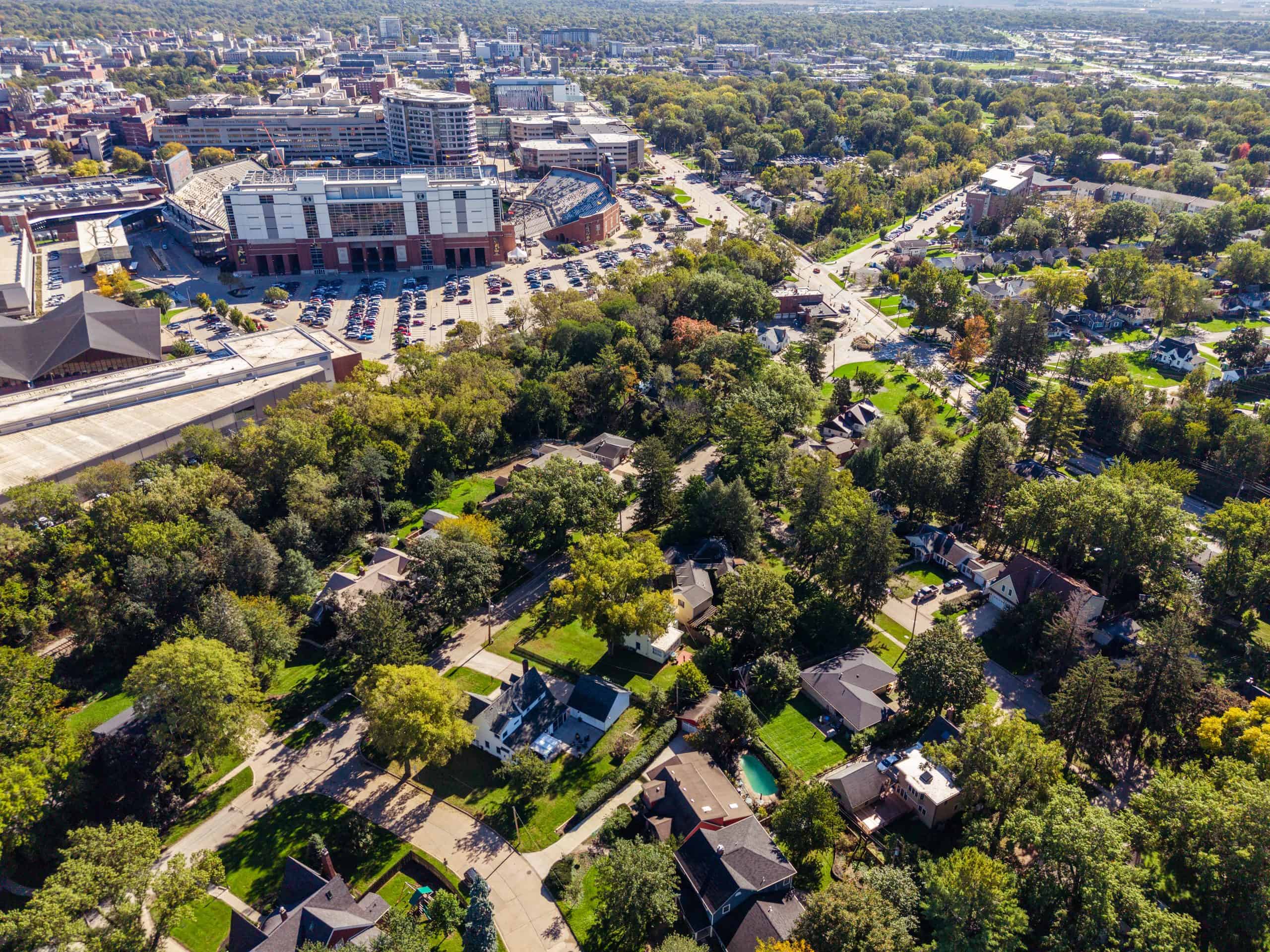
Home to the University of Iowa and the region’s leading educational and medical institutions, Iowa City is the heart of the region. With its walkable downtown, thriving arts scene and distinction as the nation’s first UNESCO City of Literature, Iowa City boasts a unique blend of intellectual energy and community spirit.
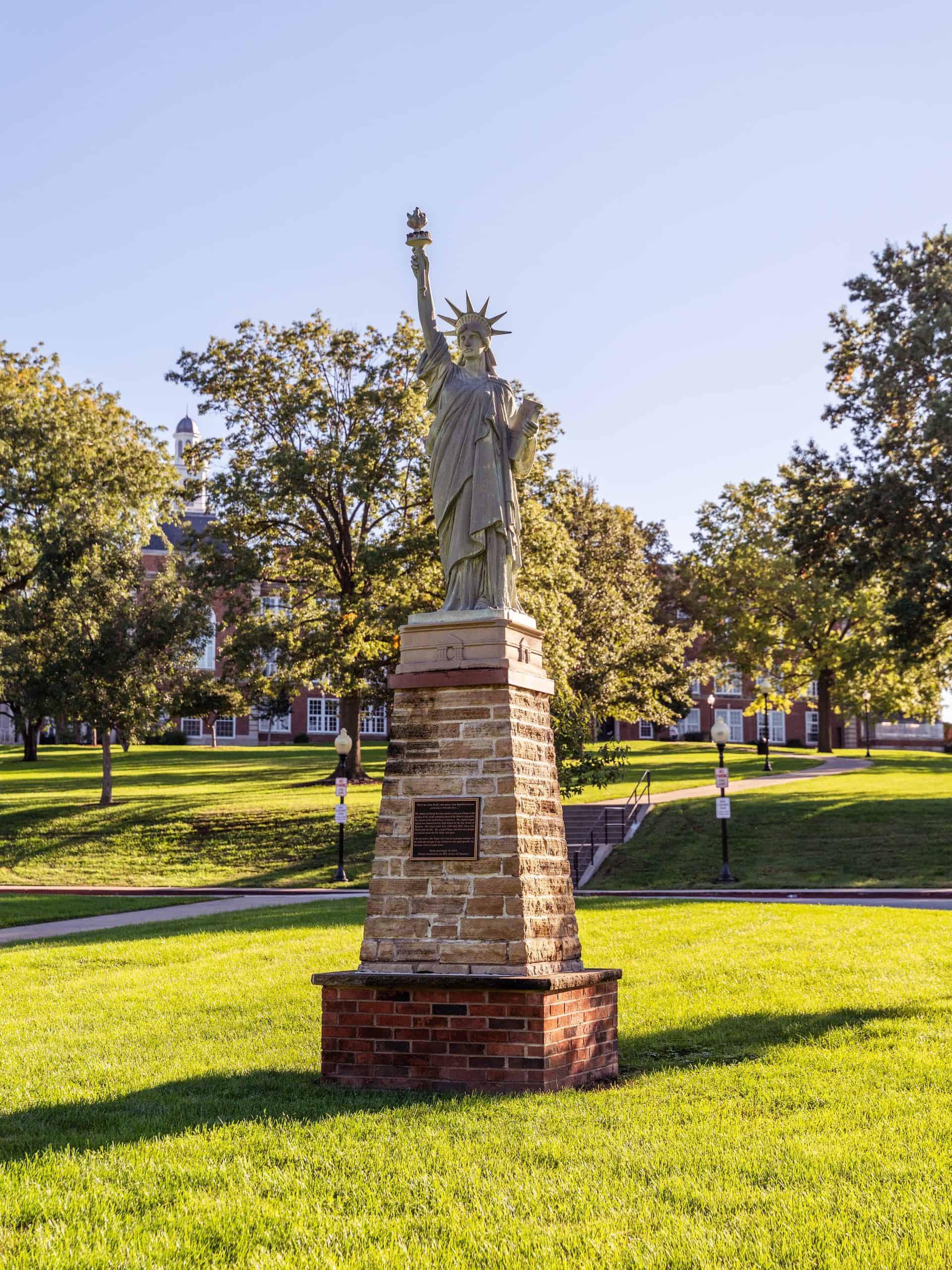
Admitted to the Union in 1846, Iowa established Iowa City as its first state capital, and just 59 days later, the University of Iowa was founded. Since then, Iowa City has grown into a regional center for education, health care and culture.
Community At a Glance
75,752
Total Population (+1.2% since 2020)
$58,546
Median Income
$285,900
Median Home Value
2,441
Total Businesses
Notes: Total Businesses = ESRI-Data Axle 2026. Accessed 10.29.2026. greateriowacity.com. Median home value only for owner-occupied units. Sources: 2020-2024 ACS 5-year estimates, Tables DP05, DP03, and DP04. data.census.gov.


Need Assistance Relocating to the Region?
Take our relocation survey for a personalized look at the communities, resources, and opportunities waiting for you.
Curious, Creative, and Cosmopolitan
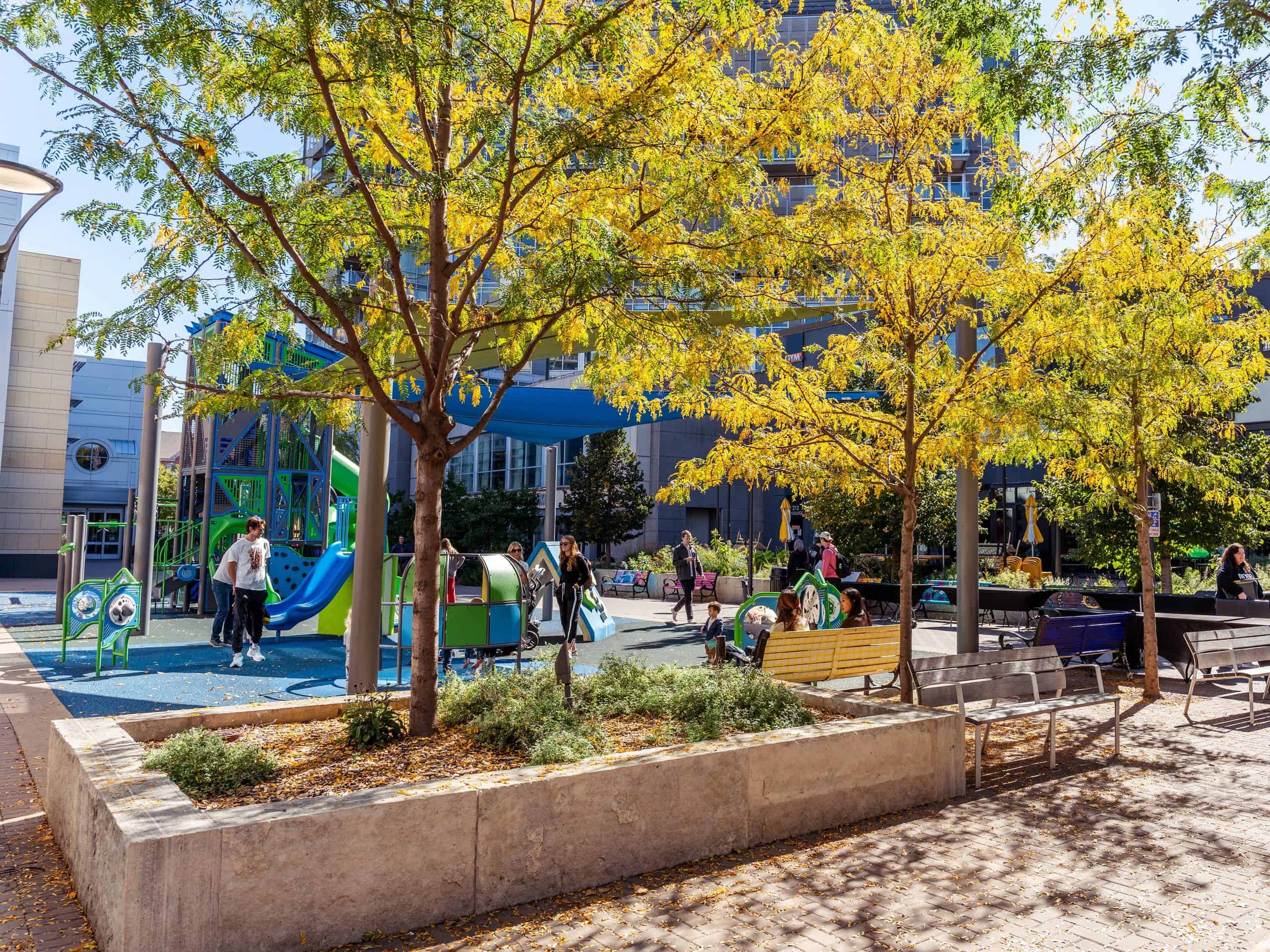
Iowa City brings together students, researchers, physicians, families and newcomers from across the country and around the world giving the city a welcoming, intellectually curious, and lively atmosphere.
Metric
Population (2025 estimate)
76,229
Population growth since 2020 Census
+1.9%
Households
30,816
Foreign-born residents
12.2%
Median Community Age
With tens of thousands of University of Iowa students calling the city home, Iowa City’s median age is nearly five years younger than the county’s. Source: U.S. Census Bureau, 2020–2024 ACS 5-year estimates.
Persons per Household
Iowa City households are slightly smaller than the county average, reflecting its large share of students, young professionals, and single-person households. Source: U.S. Census Bureau, 2020–2024 ACS 5-year estimates.
Where Education & Innovation Meet
The University of Iowa anchors the regional economy through its nationally recognized academics, health care, research and athletics. Building on this foundation, Iowa City supports a diverse economic landscape spanning advanced manufacturing, professional services, technology, entrepreneurship and community development.
Metric
Iowa City
Median household income
$58,546
Employed residents
43,145
Labor force participation (age 16+)
68.2%

Median Household Income
Income and poverty figures in college towns are shaped by large student populations, many of whom live on limited incomes while enrolled. Source: U.S. Census Bureau, 2020–2024 ACS 5-year estimates.
Residents Working in Education
Educational services is the largest industry for Iowa City residents, followed by health care and social assistance and retail trade. Source: U.S. Census Bureau, 2020–2024 ACS 5-year estimates.
Options from Walk-to-work to Ample Open Space
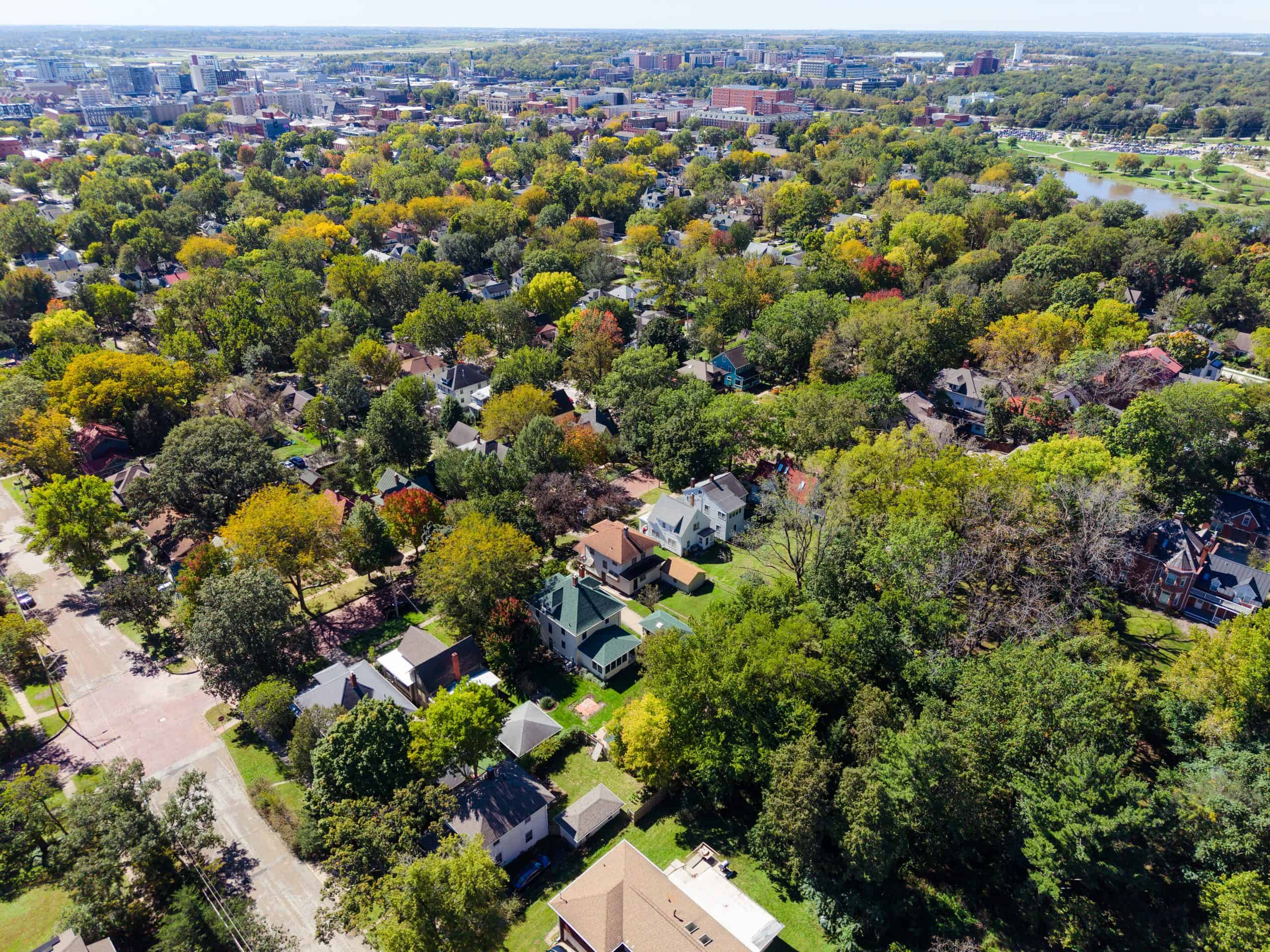
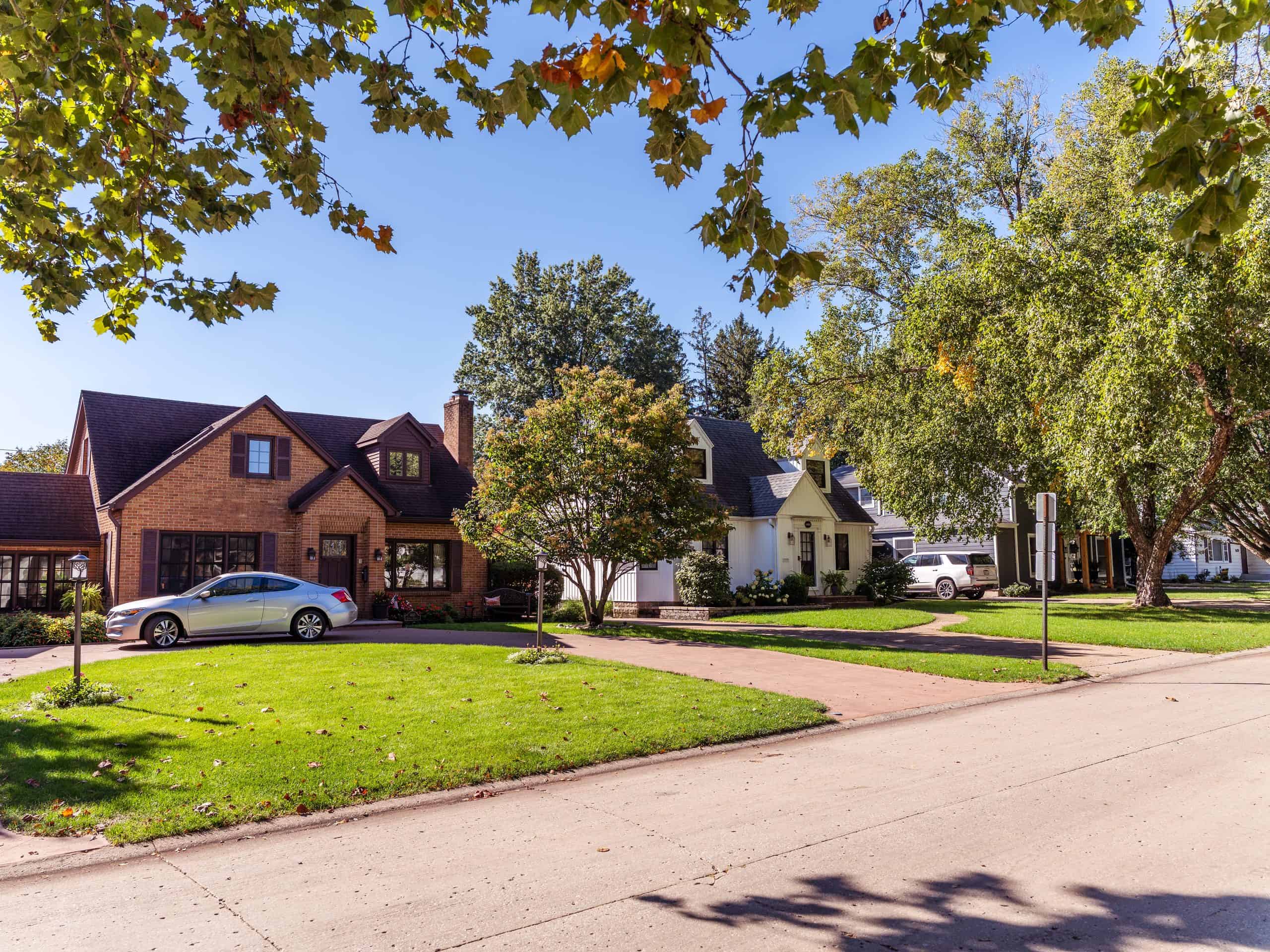
Iowa City offers everything from tree-lined historic districts and downtown apartments to newer neighborhoods on the east and west sides, with a rental market shaped by one of the Midwest’s largest universities.
Metric
Iowa City
Median home value
$285,900
Homeownership rate
47.2%
Median gross rent
$1,094
Median monthly owner costs (with mortgage)
$1,813
Median Home Value
Iowa City home values rose 4.5% in the most recent year yet remain more than $20,000 below the Johnson County median. Source: U.S. Census Bureau, 2020–2024 ACS 5-year estimates.
Homeownership Rate
Just under half of Iowa City households own their homes, with the city’s large student population driving strong demand for rental housing. Source: U.S. Census Bureau, 2020–2024 ACS 5-year estimates.
The Spirit of Lifelong Learning
Education is central to Iowa City’s identity. Dedicated educators and strong public and private school options help students build the knowledge and skills to thrive.
Metric
Iowa City
Bachelor’s degree or higher (age 25+)
60.5%
High school graduate or higher
96.5%
University of Iowa degrees awarded (2024)
9,604
Public school district
Iowa City CSD

Bachelor’s Degree or Higher
Six in ten Iowa City adults hold at least a bachelor’s degree, in a county that already ranks first in Iowa for educational attainment. Source: U.S. Census Bureau, 2020–2024 ACS 5-year estimates.
High School Graduate or Higher
Iowa City and Johnson County both far exceed national high school completion rates for adults age 25 and older. Source: U.S. Census Bureau, 2020–2024 ACS 5-year estimates.
Walkable, Connected, and Full of Character
From historic neighborhoods with cherished traditions to newer subdivisions offering a perfect place to start a family. Parks, trails, and the Iowa River connect much of the city, creating opportunities to walk, bike, and enjoy the outdoors.
Metric
Iowa City
City parks and open spaces
49
Public parkland
1,500+ acres
Iowa River Trail
12.5 miles
Average commute
17.3 min

Average Commute Time
Iowa City workers spend about 17 minutes getting to work, two minutes less than the county average and nine minutes less than the national average. Source: U.S. Census Bureau, 2020–2024 ACS 5-year estimates.
Residents Who Walk to Work
Walking is the second most common way Iowa City residents get to work, after driving alone, a sign of its compact, connected neighborhoods. Source: U.S. Census Bureau, 2020–2024 ACS 5-year estimates.
Discover Events in the Community
-
Radon in the Home Workshop
Join Kapil Arora, ISU Extension Ag Engineer, for an informational workshop on radon in Iowa households. Learn about what radon is, health risks, testing methods, and mitigation efforts.

6:00 pm
to
7:30 pm

Iowa State University Extension and Outreach Johnson County
3109 Old Highway 218 South
Iowa City, Iowa 52246, United States -
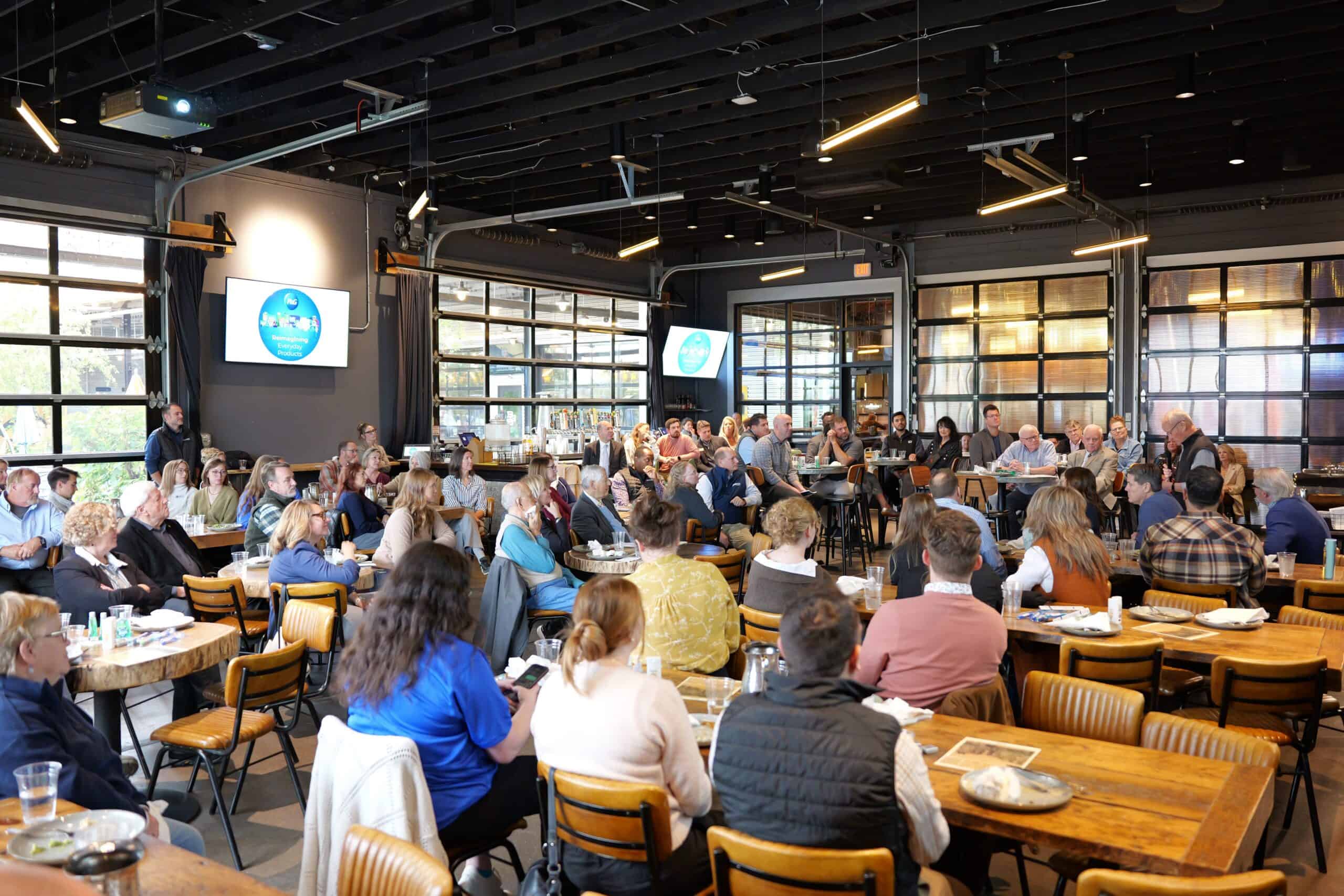
Iowa City Lunch Connections
Join us at Big Grove Brewery Iowa City to network and hear updates from the City of Iowa City
12:00 pm
to
1:00 pm
Big Grove Brewery & Taproom
1225 S Gilbert Street
Iowa City, Iowa 52240, United States -
Business Breakfast – Innovation in Manufacturing
The Business Breakfast Series is a gathering of area employers and industry experts for a morning of networking and in-depth discussion about the latest issues in economic development.
8:00 am
to
9:00 am
-
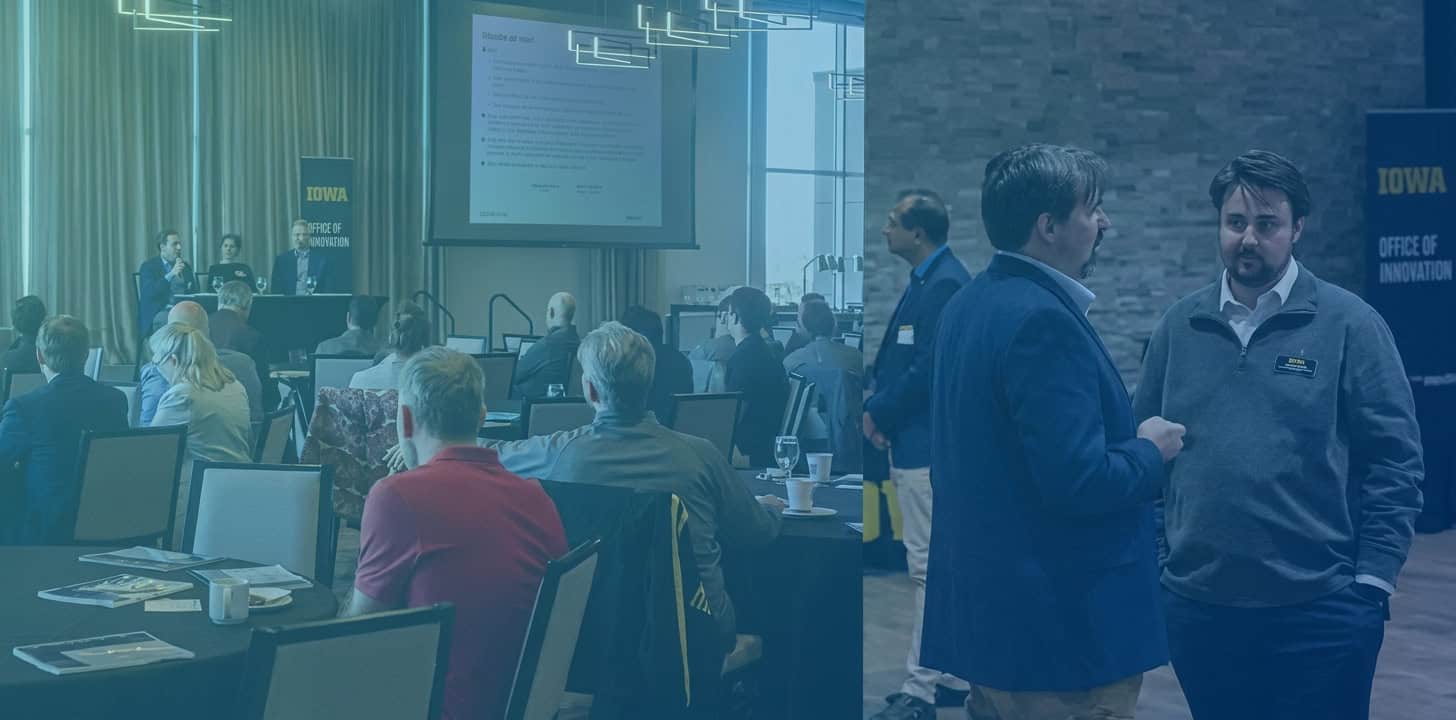
Legal Strategies from Discovery to Market with Wilson Sonsini
Wilson Sonsini, one of the nation’s leading legal advisers to technology, life sciences and growth companies, returns to Iowa.
9:00 am
to
5:00 pm
Carver Biomedical Research Building
285 Newton Road
Iowa City, Iowa 52246, United States -
Ribbon Cutting – Winsor Consulting Group LLC
Join us for a Ribbon Cutting to celebrate the Grand Opening of Winsor Consulting Group!
-

Bake It Til You Make It (Grades K-2)
Bake It ‘Til You Make It December 29, 2026 (grades K-2) 8:30 AM – 12:30 PM Johnson County Extension Office
8:30 am
to
12:30 pm
Iowa State University Extension and Outreach Johnson County
3109 Old Highway 218 South
Iowa City, Iowa 52246, United States -

Bake It Til You Make It (Grades 3-5)
Bake It ‘Til You Make It (Grades 3-5) December 30, 2026, 8:30 AM – 12:30 PM Johnson County Extension Office
8:30 am
to
12:30 pm
Iowa State University Extension and Outreach Johnson County
3109 Old Highway 218 South
Iowa City, Iowa 52246, United States -
Better Together 2030 – Excellence in Action Awards 2027
Join Us for the 5th Annual Excellence in Action Awards!
4:30 pm
to
6:30 pm
-
1MC Iowa City: AtURService52240
This week’s 1 Million Cups presenter will be Kay William of AtURService52240, a business specializing in service animal identification training and ADA compliance education.
9:00 am
to
10:00 am


Recent Community News
-
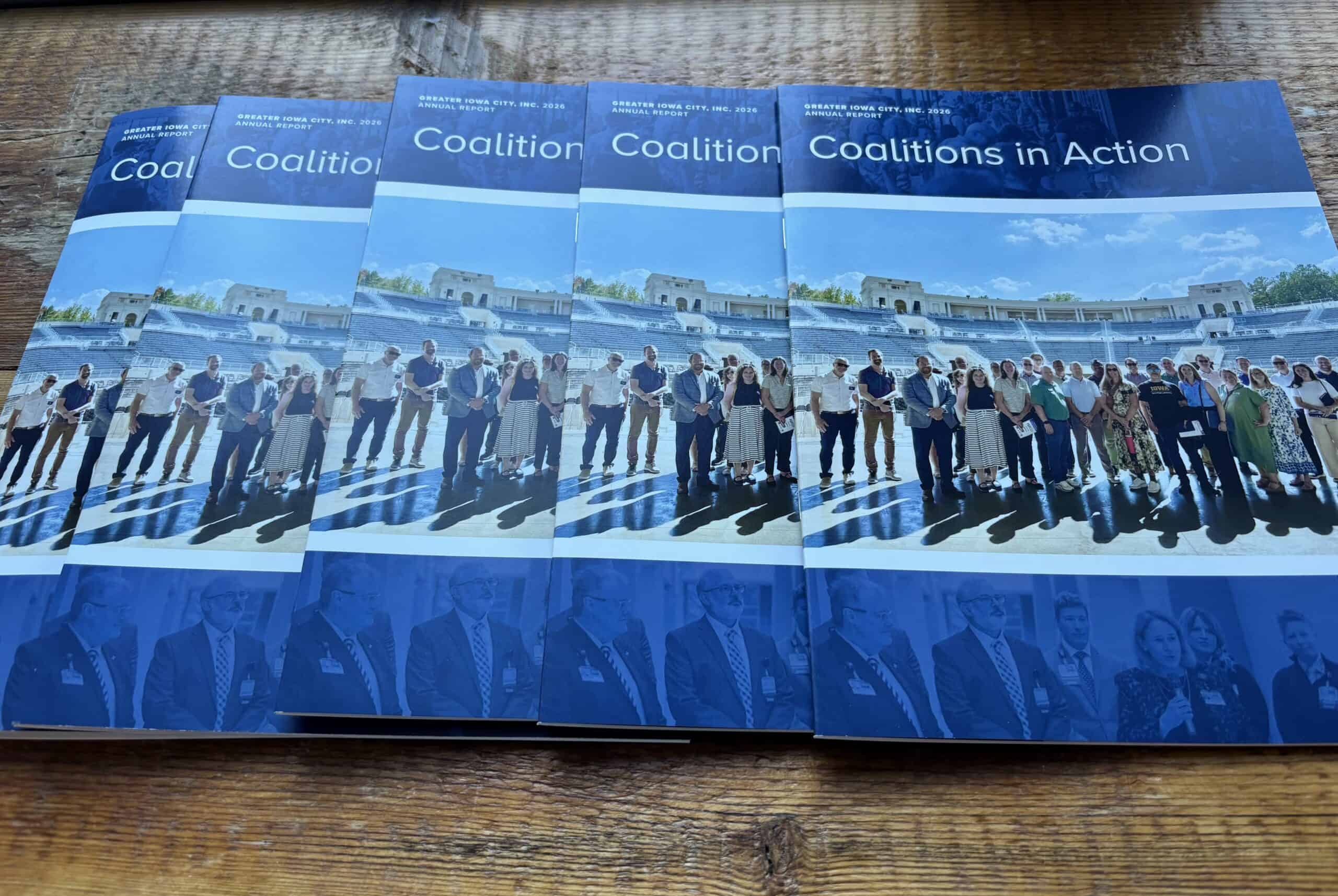
Coalitions in Action, 2026 Annual Report
-
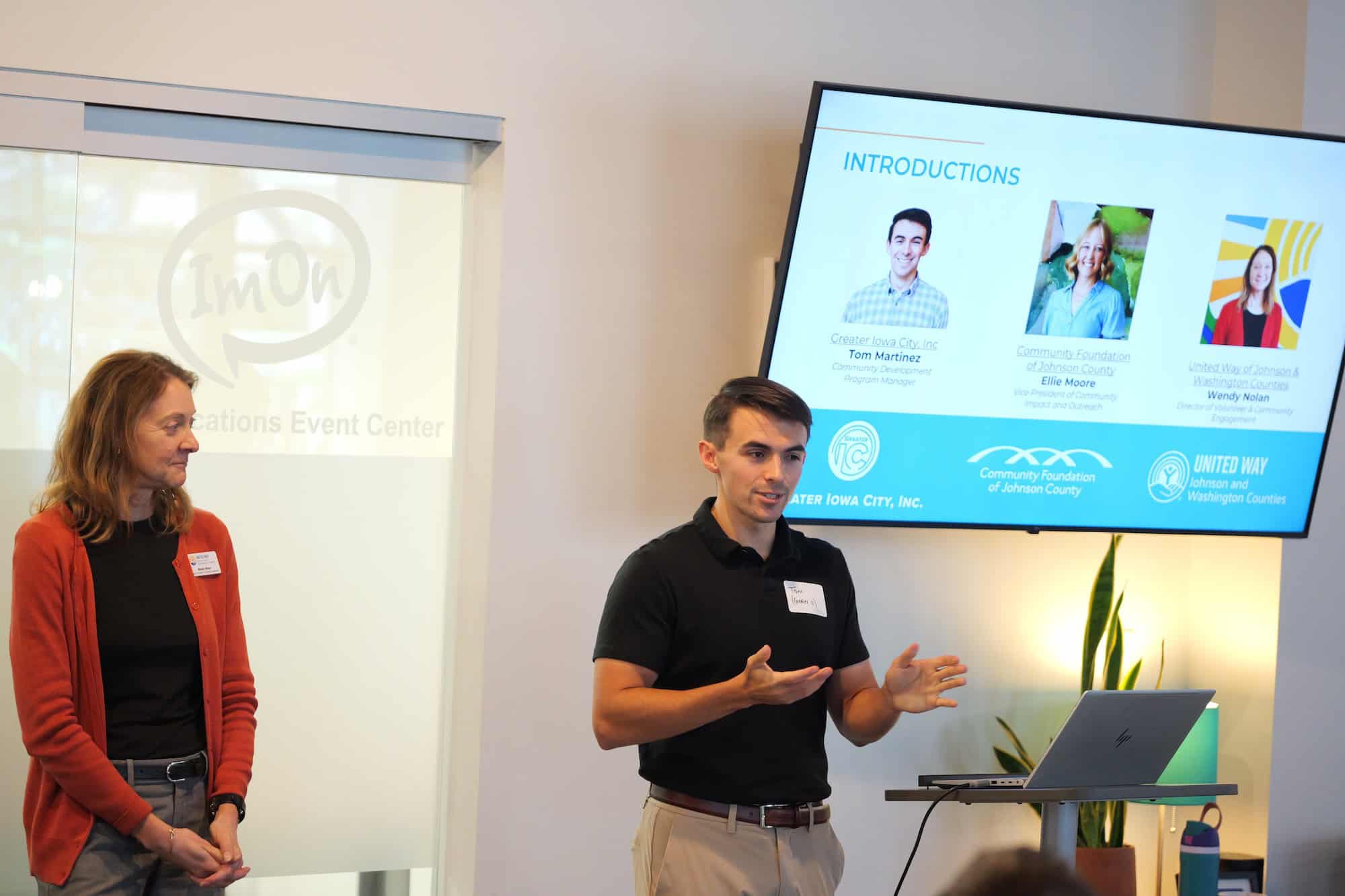
Why Join a Local Board or Commission? Highlighting Current Opportunities in Johnson County
-
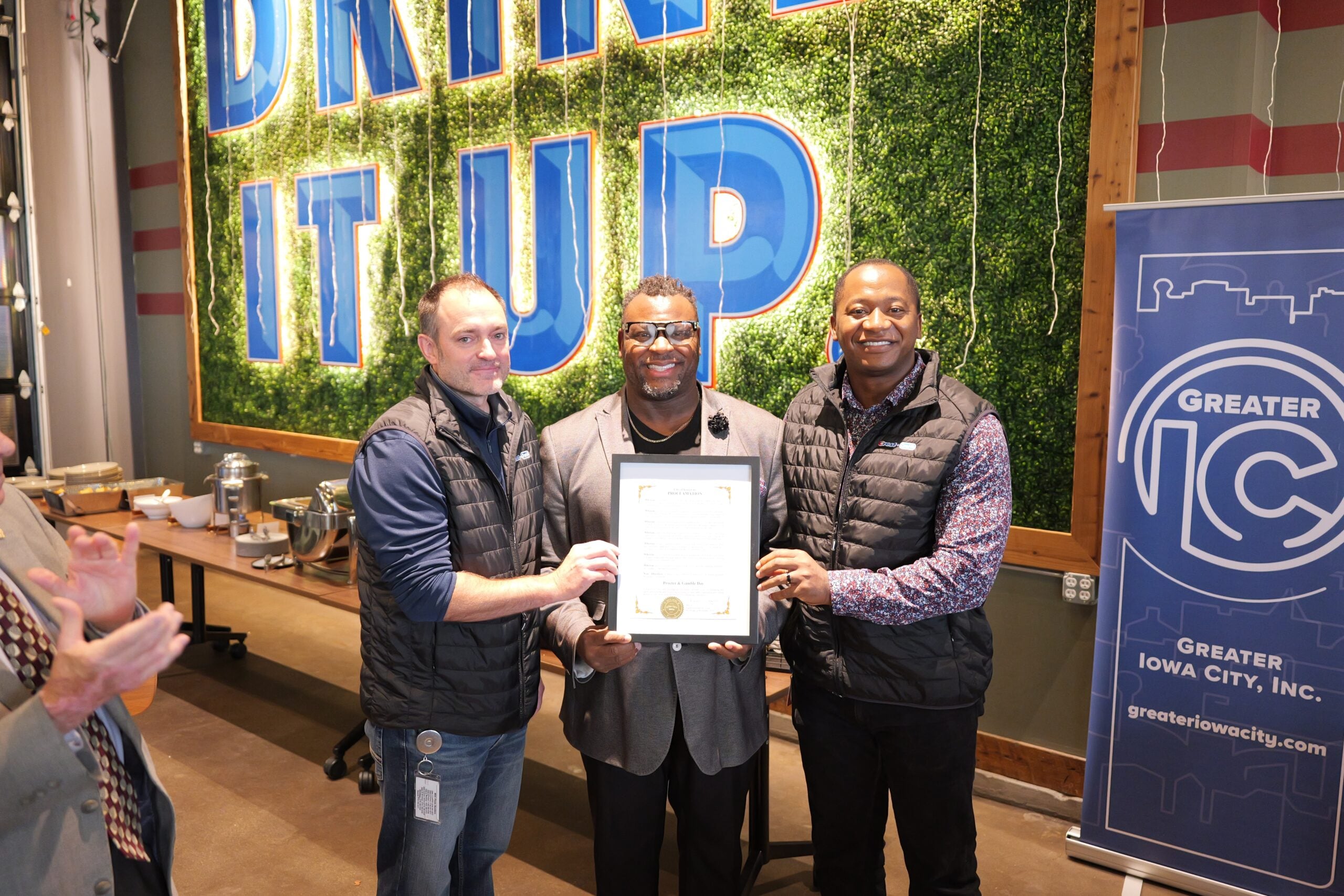
Celebrating 70 Years of Innovation and Investment in Iowa City
-
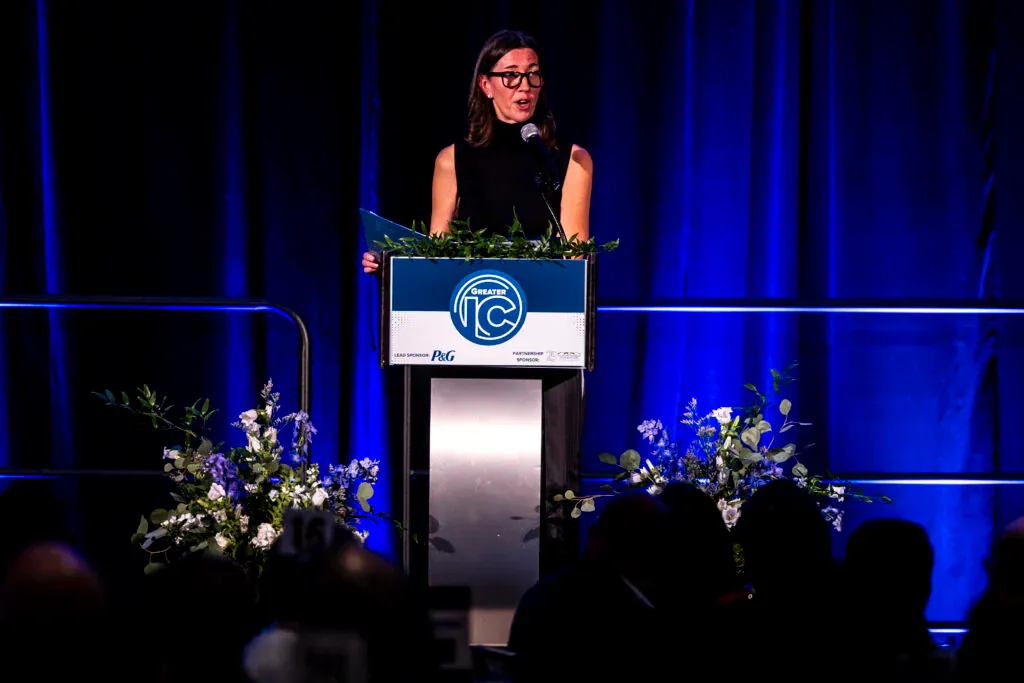
Top Five Reasons to Attend Greater IC’s Annual Meeting
-
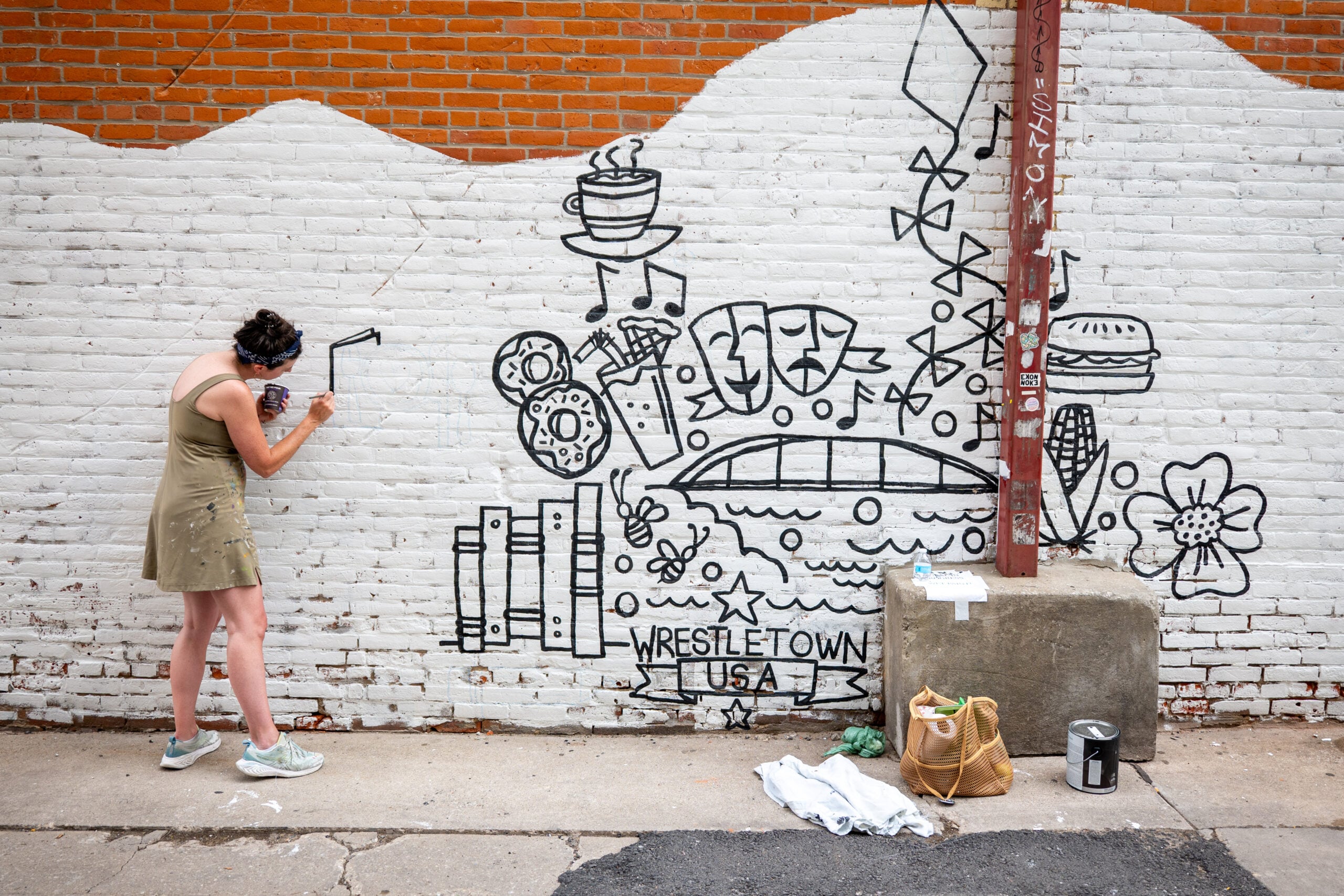
Arts, Culture, and Quality of Life Amenities: Economic Drivers for Johnson County
-
Prepare for the 2026 Midterm Election with Greater IC’s Voter Guide
-
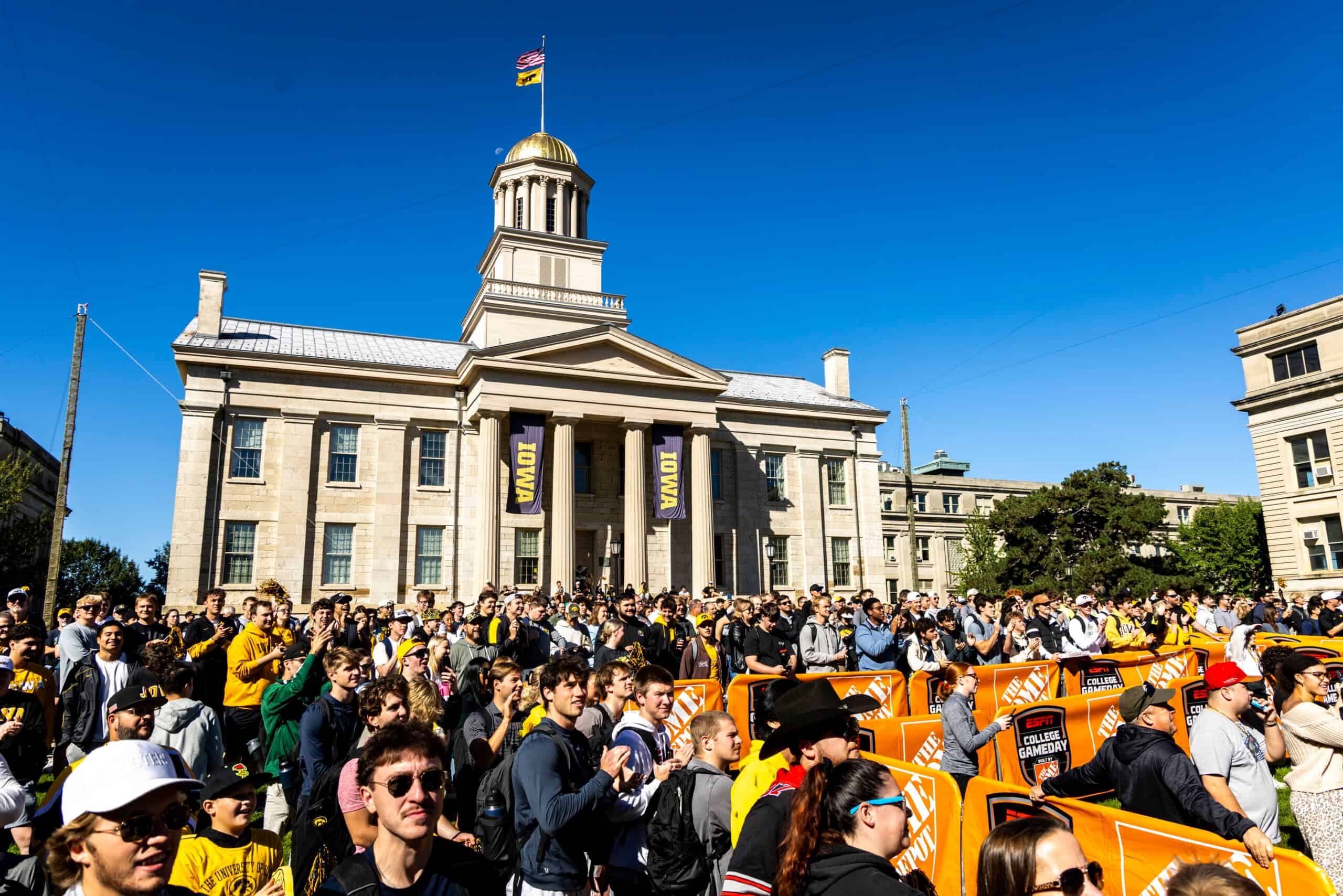
Cy-Hawk Rivalry, College GameDay, and Nike’s Caitlin 1 Release Fuel Iowa City’s Biggest Visitor Surge Since 2020
-
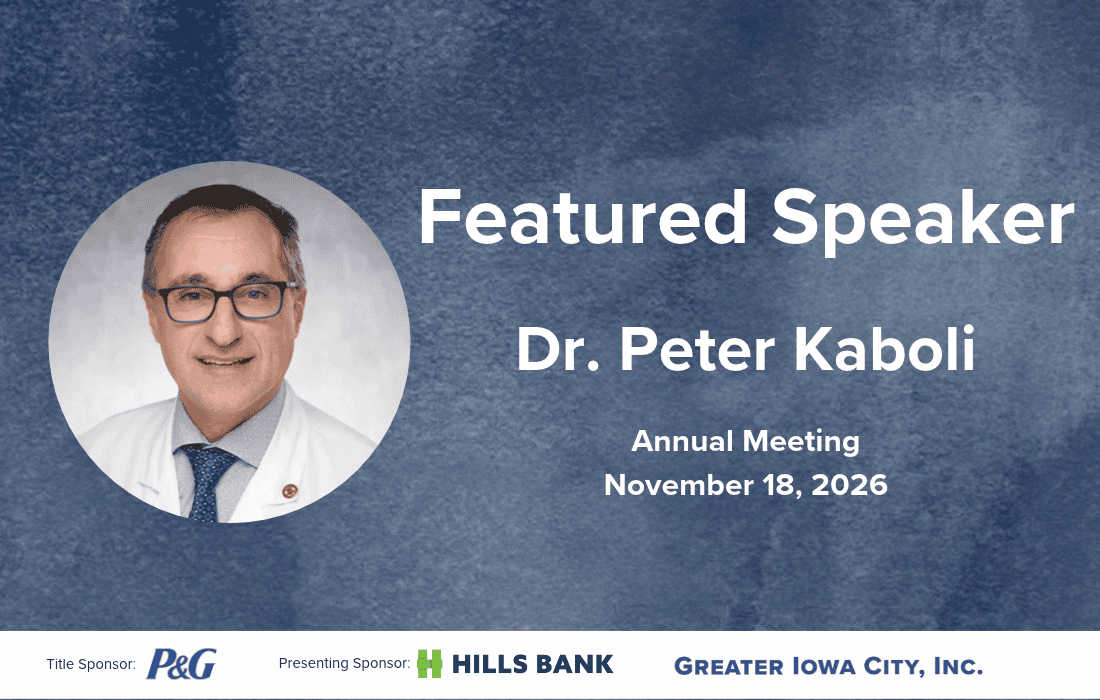
Dr. Peter Kaboli named Featured Speaker at Annual Meeting
-
Welcoming our Board Leadership Program Cohort


